
Understanding your options so you can choose what feels right for you
Therapy is a meaningful step toward understanding yourself but the way you access it matters. People may ask: What’s the difference between in-person and online therapy? And which one is right for me?
Both formats can be effective, but they offer different experiences. Understanding these can help you choose the option that fits your life, comfort, and needs.
What online therapy is
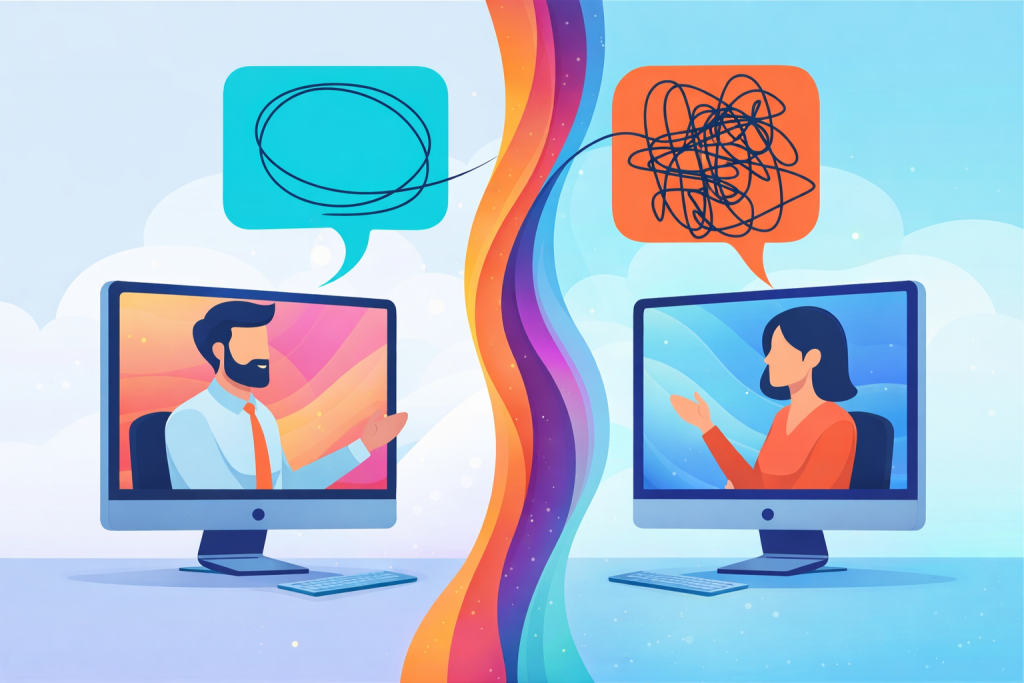
Connection across the divide
Online counselling means meeting with a counsellor or therapist through video calls or secure messaging from wherever feels comfortable for you. It offers the same therapeutic presence and professional support as face-to-face sessions but in a much more flexible, accessible way.
Benefits of affordable online therapy

Bridging the gap
Convenience & flexibility: No travel, no commute, online therapy sessions fit into your schedule more easily.
Comfort of your own space: Some people find it easier to share experiences when they’re physically comfortable and in a familiar place.
Accessibility: Online therapy reduces many barriers such as location, mobility limitations, or limited local options.
Consistency: Therapy online can be easier to fit into busy lives can making it easier to keep up regular sessions.
Online therapy can be just as effective as in-person work for many people, especially when a strong therapeutic relationship is formed. This also emphasises the importance of regular sessions, especially in the early days when this relationship is building.
Benefits of in-person therapy
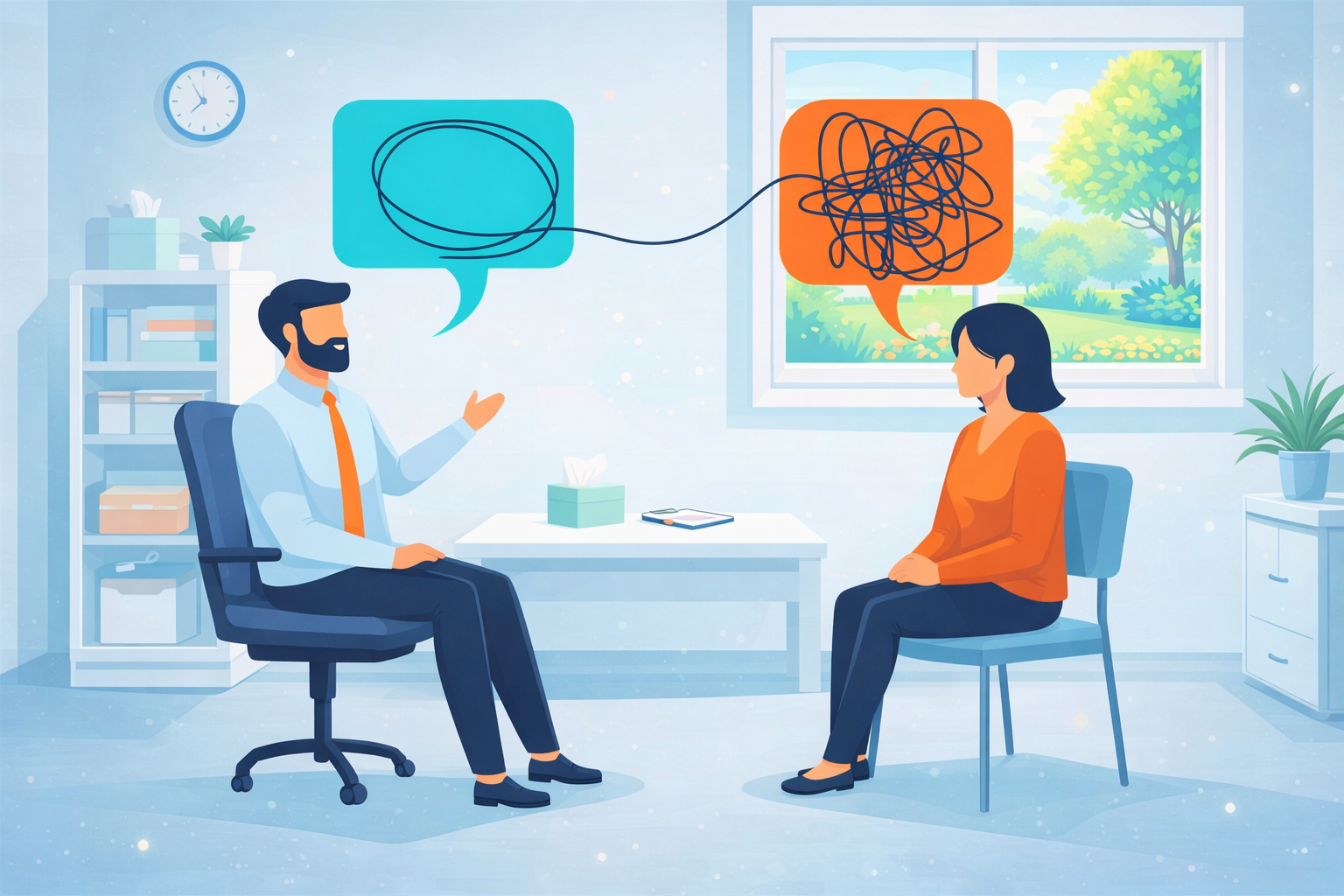
The empathy in the room
In-person sessions take place in a therapy space outside your home and can offer:
More direct human connection: Being physically present can help some people feel understood more deeply.
Environment dedicated to therapy: A neutral, private space can help some people focus more fully.
Some people prefer this format because it provides clear boundaries between therapy and everyday life.
Is online therapy as effective as in-person?
Research shows that online therapy can be similarly effective to in-person therapy for many common concerns such as anxiety, depression, stress and emotional regulation.
Effectiveness often depends more on the quality of the therapeutic relationship, feeling safe, understood and supported rather than on the delivery method itself.
This is where I feel it is important that counsellors delivering therapy online have covered the differences and nuanced approaches either through their core training or by completing additional training. This helps prepare the counsellor for working with and supporting clients through the barriers unique to connecting through technological means.
How to decide what’s right for you
There isn’t a one-size-fits-all answer. Consider:
– Your schedule and routine
– Whether travel feels manageable
– Where you feel most comfortable opening up
– Your need for flexibility vs structured boundaries
You might even start with online therapy sessions and later explore in-person work or continue fully online if that suits your life. The important thing is what helps you show up and be consistent.
How Strive supports you
At Strive, we specialise in online counselling that’s accessible, affordable and centred on you.
We offer:
– Flexible online therapy appointments across the UK
– Affordable online therapy options including reduced-cost sessions
– Support to explore what format feels best during your assessment
We don’t assume one format is “better” we help you find what fits your life and goals.
Next steps
- Reflect on where you feel most comfortable and why
- Consider what obstacles (time, travel, energy) matter most to you
- Start with a short online assessment at Strive and explore what feels right
Therapy is about connection and support and finding the best way for you to access it.
FAQs
Is affordable online therapy effective?
Yes. Affordable online therapy can be just as effective as in-person therapy for many common concerns, including anxiety, depression, stress, and emotional regulation. Research shows that outcomes often depend more on the quality of the therapeutic relationship than on whether sessions happen online or face-to-face. Many people find that the flexibility of online therapy makes it easier to attend sessions regularly, which can support progress over time.
Is online therapy suitable for anxiety or depression?
Online therapy is commonly used to support people experiencing anxiety, depression, or a combination of both. Many people find it helpful to explore their thoughts and emotions from a familiar, comfortable environment. What matters most is having a safe, supportive space to talk openly, rather than the physical setting of the session.
What if I’m not sure which type of therapy is right for me?
It’s very normal to feel unsure. You don’t need to have everything figured out before starting therapy. Exploring your options with a counsellor can help you understand what might work best for you, based on your needs, lifestyle, and comfort. The right choice is the one that helps you show up consistently and feel supported.
Is online therapy less personal than in-person therapy?
Not necessarily. While online therapy looks different from in-person sessions, many people still experience a strong sense of connection and understanding with their therapist. Feeling heard, respected, and supported can happen in both formats. The therapeutic relationship is built through trust and consistency, not just physical presence.
Does low-cost therapy mean lower quality?
No. Low-cost therapy is about improving access, not reducing quality. Affordable therapy options exist so that cost isn’t a barrier to getting support. What’s important is that therapy is delivered ethically, professionally, and with care, regardless of the price point.
Do I need to commit to one format of therapy?
No. Therapy doesn’t have to be all-or-nothing. Some people benefit from flexibility, especially as life circumstances change. What matters is finding a format that supports your wellbeing and fits into your life in a sustainable way.
If you’re still unsure, starting with a short assessment can help you explore what feels right — without pressure to commit before you’re ready.
Leave a Reply